
The National Disability Insurance Scheme (NDIS) has created a unique and compelling opportunity for property investors in Australia. By providing government-backed rental income streams, Specialist Disability Accommodation (SDA) offers the potential for strong, stable returns while making a profound social impact. However, the NDIS property market is complex and requires a deep understanding of its unique dynamics, risks, and rewards.
This guide is designed to be your definitive starting point. Whether you are a seasoned investor exploring new asset classes or new to property investment altogether, this article will provide you with the foundational knowledge you need to navigate the NDIS property market with confidence. We will demystify the jargon, break down the numbers, and provide a transparent overview of what it truly means to invest in SDA.
Our goal is to empower you with the information you need to answer the most critical questions: What is NDIS property investment? How does it work? And is it the right strategy for your portfolio?
What is NDIS and Specialist Disability Accommodation (SDA)?
The National Disability Insurance Scheme (NDIS) is a landmark Australian government initiative designed to provide support to people with a permanent and significant disability. It is not a welfare system; rather, it is a national scheme that funds a wide range of supports and services, empowering participants to achieve their goals and live more independent and fulfilling lives.
Within the NDIS framework, Specialist Disability Accommodation (SDA) is a specific funding stream designed to address the critical need for specialised housing for participants with extreme functional impairments or very high support needs. SDA funding is not for the support services themselves, but for the physical dwelling—the bricks and mortar. It provides the capital funding to incentivise the private sector, including individual investors, to build and maintain high-quality, accessible housing.
Prior to the NDIS, many people with profound disabilities were forced to live in inappropriate settings such as aged care facilities, hospitals, or outdated group homes that severely limited their independence and quality of life. The SDA initiative represents a transformative shift, moving towards a more participant-centric model where individuals have choice and control over where and how they live.
For investors, this creates a powerful opportunity to develop purpose-built properties that meet stringent design standards and, in return, receive a secure, government-backed income stream. This is not just about property; it is about creating homes that enable greater independence, dignity, and community inclusion for some of Australia’s most vulnerable citizens.
The Investment Opportunity: High Yields and Social Impact
Investing in NDIS property offers a unique combination of financial and social returns that is difficult to find in other asset classes. For the prudent investor, the opportunity is compelling, but it is essential to understand both the benefits and the responsibilities that come with it.
The Primary Benefits for Investors:
- High Rental Yields: NDIS properties offer significantly higher rental yields than the traditional residential market. While a standard investment property might generate a net yield of around 5%, SDA properties can achieve returns of 10-13% or even higher in some cases. These returns are driven by the substantial government funding attached to each eligible participant.
- Government-Backed Funding: The rental income for SDA properties is funded by the Australian federal government through the NDIS. This provides a level of security and stability that is not present in the private rental market, where income is dependent on the tenant’s ability to pay. With bipartisan support for the NDIS, this government backing provides a strong foundation for long-term investment.
- Positive Social Impact: Beyond the financial returns, investing in SDA allows you to make a tangible difference in people’s lives. By providing high-quality, accessible housing, you are directly contributing to the well-being and independence of people with disabilities. This social dividend is a powerful motivator for many investors who want their capital to have a positive impact on the community.
- Long-Term Demand: The demand for SDA is supported by strong demographic tailwinds, including Australia’s ageing population and rising life expectancy. The NDIS has identified a significant and persistent undersupply of appropriate housing, with tens of thousands of new places needed over the next decade. This structural undersupply creates a stable, long-term demand for well-located, high-quality SDA properties.
- Portfolio Diversification: NDIS property is a specialised asset class with returns that are not directly correlated with the broader residential property market. This makes it an excellent tool for diversifying your investment portfolio and reducing overall risk.
While the high yields are certainly attractive, it is the combination of financial reward and social benefit that makes NDIS property a truly unique and compelling investment opportunity. However, as with any investment, it is crucial to approach it with a clear understanding of the market and a commitment to quality and compliance.
The 4 SDA Design Categories Explained
To ensure that SDA properties meet the diverse needs of NDIS participants, the NDIA has established four distinct design categories. Each category has specific design requirements that are mandated by the SDA Design Standard, a detailed set of guidelines that covers everything from doorway widths to ceiling reinforcements.
Understanding these categories is fundamental to making an informed investment decision, as the design category of your property will determine the type of participant you can attract and the level of funding you will receive.
- Improved Liveability (IL):
- Purpose: Designed for participants with sensory, intellectual, or cognitive impairments.
- Key Features: This category focuses on features that improve
liveability and independence for participants. Features include better lighting, improved acoustics, and enhanced wayfinding to help participants navigate their home more easily. * Investment Considerations: IL properties typically have lower funding levels compared to other categories, but they also have lower construction costs. They can be suitable for investors looking for a more affordable entry point into the SDA market.
- Fully Accessible (FA):
- Purpose: Designed for participants with significant physical disabilities who require wheelchair accessibility.
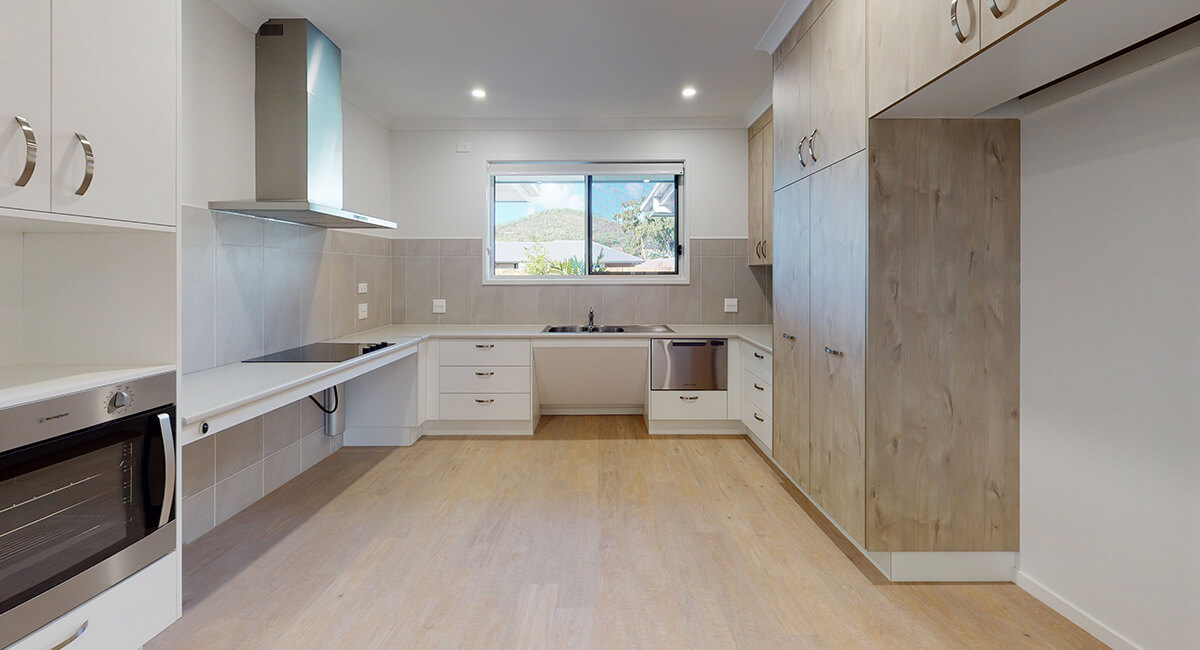
- Key Features: These properties must meet stringent accessibility requirements, including wider doorways, accessible bathrooms, and step-free access throughout. They are designed to accommodate participants who use mobility aids such as wheelchairs or walking frames.
- Investment Considerations: FA properties require higher construction costs due to the accessibility features, but they also attract higher funding levels. The demand for FA properties is strong, particularly in well-located areas.
- Robust (RB):
- Purpose: Designed for participants with complex behavioural needs or those who may cause damage to the property.
- Key Features: Robust properties are built to withstand higher levels of wear and tear. They include features such as reinforced walls, impact-resistant surfaces, and secure fixtures. The design focuses on durability and safety while maintaining a home-like environment.
- Investment Considerations: Robust properties have seen significant growth in demand, with a 60% increase in enrolments according to recent NDIA data. However, investors should be aware that these properties may require more frequent maintenance and repairs.
- High Physical Support (HPS):
- Purpose: Designed for participants with very high support needs who require 24/7 care and assistance.
- Key Features: HPS properties include all the accessibility features of FA properties, plus additional features to support high-level care. These may include ceiling hoists for transfers, emergency backup power, and integrated smart home technology. The properties are designed to accommodate live-in support workers.
- Investment Considerations: HPS properties command the highest funding levels and represent the largest segment of the SDA market, with 9,421 dwellings currently enrolled. However, they also have the highest construction costs and require the most specialised design and construction expertise.
Understanding these categories is crucial because the design category of your property will determine not only the type of participant you can accommodate but also the level of SDA funding you will receive. It will also influence your construction costs, ongoing maintenance requirements, and the pool of potential tenants.
Understanding the Financials: How SDA Funding Works
One of the most important aspects of NDIS property investment is understanding how the financial structure works. Unlike traditional rental properties where you receive rent directly from the tenant, SDA properties generate income through a combination of SDA payments from the NDIA and rent contributions from participants.
The SDA Payment Structure:
The SDA payment is made up of several components:
- Building and Land Component: This covers the cost of the building and the land on which it sits. It is calculated based on the design category of the property, its location, and the number of residents.
- Assistive Technology Component: This covers the cost of any assistive technology that is built into the property, such as ceiling hoists or smart home systems.
- Maintenance Component: This covers the ongoing maintenance and repairs of the property.
Participant Rent Contributions:
In addition to the SDA payment, participants are also required to make a rent contribution, known as the Maximum Reasonable Rent Contribution (MRRC). This is similar to the rent that a participant would pay for mainstream housing and is based on their income and circumstances.
The Reality of SDA Funding:
While the potential returns from SDA properties can be attractive, it is crucial to understand that the actual income you receive will depend on several factors:
- Participant Funding Levels: Not all participants receive the same level of SDA funding. The funding is based on their individual needs and circumstances, as assessed by the NDIA. A participant with 1:2 funding (meaning they share the property with one other person) will generate significantly more income than a participant with 1:3 funding (sharing with two other people).
- Occupancy Rates: Your income is directly tied to the occupancy of your property. If you have vacant rooms or if participants move out, your income will be reduced accordingly.
- Transition Delays: Many participants are currently living in legacy accommodation (such as group homes) and are transitioning to SDA. This transition process can take months, during which time the participant may not be paying the full SDA rate.
A Realistic Example:
Let’s consider a High Physical Support property designed for two participants. The marketing materials might advertise a maximum annual income of $210,000, based on two participants with the highest level of funding. However, the reality might be:
- High Scenario: Two participants with HPS 2:1 funding = $210,000 annually
- Moderate Scenario: Two participants with HPS 1:3 funding = $153,000 annually
- Low Scenario: One participant with HPS funding + one vacant room = $105,000 annually
This example illustrates why it is so important to base your investment decisions on realistic projections rather than maximum potential returns. A prudent investor will model a range of scenarios and ensure that the investment remains viable even in the lower-return scenarios.
Key Risks and Considerations: A Transparent Assessment
While NDIS property investment offers compelling opportunities, it is not without risks. As your trusted advisor, we believe in providing a transparent assessment of these risks so that you can make an informed decision about whether this investment strategy is right for you.
Vacancy Risk:
Perhaps the most significant risk facing NDIS property investors today is vacancy. Recent investigations have revealed that over 1,000 SDA properties across Australia are sitting empty, representing close to 15% of all disability housing built. This oversupply is particularly acute in certain areas, including Melbourne’s western suburbs, where there are dozens of empty homes despite continued construction.
The causes of this vacancy crisis include:
- Poor Location Selection: Many properties have been built in areas where there is insufficient demand from participants.
- Lack of Coordination: There has been insufficient coordination between developers, investors, and SDA providers to ensure that properties are built where they are needed.
- Market Saturation: Some areas have become oversupplied, leading to increased competition for tenants.
To mitigate vacancy risk, it is essential to conduct thorough due diligence on location and demand before making an investment.
Financing Challenges:
Securing finance for SDA properties can be more challenging than for traditional residential investments. Lenders are becoming increasingly cautious about the sector, particularly in oversupplied areas. Some lenders have even blacklisted certain postcodes that are more than 15-35km from a CBD.
Additionally, lenders typically require:
- Lower loan-to-value ratios (meaning larger deposits)
- Specialised valuations
- More stringent income verification
- Higher interest rates in some cases
Regulatory Complexity:
The NDIS is a complex and evolving scheme. Changes to regulations, funding levels, or eligibility criteria could impact your investment returns. While the scheme has bipartisan political support, investors need to stay informed about potential changes and their implications.
Operational Complexity:
Managing an SDA property is more complex than managing a traditional rental property. You need to work with registered SDA providers, ensure ongoing compliance with NDIS regulations, and understand the unique needs of participants with disabilities.
Market Maturity:
The SDA market is still relatively young, having only been established in 2016. This means that there is limited long-term performance data available, and the market is still evolving. While this creates opportunities, it also means that there are unknowns that could impact future performance.
Concentration Risk:
If you invest heavily in NDIS properties, you may be exposed to concentration risk. If there are significant changes to the NDIS or if the market experiences difficulties, a large portion of your portfolio could be affected.
Despite these risks, many investors find that the potential rewards of NDIS property investment outweigh the risks, particularly when proper due diligence is conducted and appropriate risk management strategies are implemented.
NDIS vs. Traditional Property Investment: A Comparative Analysis
To help you understand where NDIS property investment fits within your broader investment strategy, it is useful to compare it directly with traditional residential property investment.
Rental Yields:
- Traditional Property: Net rental yields typically range from 3-6% annually, depending on location and property type.
- NDIS Property: Net rental yields can range from 10-13% annually, though this varies significantly based on location, design category, and occupancy rates.
Income Security:
- Traditional Property: Rental income depends on the tenant’s ability to pay and is subject to market forces. Tenants can default on rent or terminate leases.
- NDIS Property: Rental income is largely government-backed through NDIS funding, providing greater security. However, income is still dependent on occupancy and participant funding levels.
Capital Growth:
- Traditional Property: Capital growth is driven by broader property market conditions, population growth, and economic factors.
- NDIS Property: Capital growth potential is less certain, as the market is still developing. Properties are purpose-built for a specific use, which may limit their appeal to mainstream buyers.
Liquidity:
- Traditional Property: Generally easier to sell, with a broader pool of potential buyers including owner-occupiers and investors.
- NDIS Property: More limited pool of potential buyers, primarily other SDA investors. This can make properties harder to sell and may impact liquidity.
Management Complexity:
- Traditional Property: Relatively straightforward to manage, with established processes and service providers.
- NDIS Property: More complex management requirements, including NDIS compliance, working with registered providers, and understanding participant needs.
Market Maturity:
- Traditional Property: Well-established market with extensive historical data and proven investment strategies.
- NDIS Property: Emerging market with limited historical data and evolving best practices.
Social Impact:
- Traditional Property: Provides housing for the general population but limited direct social impact.
- NDIS Property: Provides specialised housing for people with disabilities, creating significant positive social impact.
Risk Profile:
- Traditional Property: Generally lower risk due to market maturity and broader demand base.
- NDIS Property: Higher risk due to market novelty, regulatory dependence, and more limited demand base.
This comparison highlights that NDIS property investment is not a direct substitute for traditional property investment, but rather a specialised strategy that can complement a diversified portfolio. The higher potential returns come with higher risks and greater complexity, making it most suitable for investors who are willing to invest the time and effort required to understand and manage these unique assets.
Current Market Conditions: What the Data Tells Us
To make an informed investment decision, it is crucial to understand the current state of the NDIS property market. Based on the latest available data from the NDIA and industry sources, here is what the numbers tell us:
Supply and Demand Dynamics:
As of December 2024, there are 24,522 NDIS participants with SDA funding across Australia. Of these:
- 14,688 participants are currently living in SDA dwellings
- 9,834 participants are actively seeking SDA accommodation
This represents a significant pool of unmet demand, with over 40% of SDA-eligible participants still seeking appropriate housing.
Regional Distribution:
The demand is not evenly distributed across Australia:
- New South Wales: 7,822 total participants (2,900 seeking accommodation)
- Victoria: 7,144 total participants (2,054 seeking accommodation)
- Queensland: 4,089 total participants
- Western Australia: 1,792 total participants
Supply Growth:
The supply of SDA dwellings has grown significantly:
- Total enrolled dwellings: 10,749 (up 2,159 from the previous year)
- New build dwellings: 6,778 (representing 175% growth since December 2020)
- Pipeline dwellings: 7,363 (up 65% in the past 12 months)
Design Category Demand:
High Physical Support properties dominate the market:
- High Physical Support: 9,421 dwellings (largest category)
- Robust: 2,582 dwellings (60% growth in demand)
- Improved Liveability: 2,418 dwellings
- Fully Accessible: 1,421 dwellings
Financial Commitments:
The NDIA has committed $516.6 million in SDA funding, representing 74% of the total $700 million allocation. However, only $382 million has been drawn down, indicating delays in the transition from legacy accommodation to new SDA properties.
Warning Signs:
Despite the apparent demand-supply imbalance, there are concerning signs in the market:
- Over 1,000 SDA properties are reportedly sitting vacant across Australia
- Oversupply is particularly acute in Melbourne’s western suburbs and other outer metropolitan areas
- The pipeline of new properties continues to grow in already oversupplied areas
These statistics paint a complex picture of a market with significant underlying demand but also serious supply-demand mismatches in certain locations. This reinforces the critical importance of careful location selection and thorough due diligence.
Making Your Decision: Is NDIS Property Investment Right for You?
After reviewing all the information in this guide, you may be wondering whether NDIS property investment is the right strategy for your portfolio. This is a deeply personal decision that depends on your individual circumstances, risk tolerance, and investment objectives.
NDIS Property Investment May Be Right for You If:
- You are seeking higher rental yields than traditional property investment can provide
- You have the financial capacity to handle higher deposit requirements and potentially higher borrowing costs
- You are comfortable with a more complex investment that requires active management and ongoing compliance
- You want to make a positive social impact through your investments
- You have the time and inclination to conduct thorough due diligence and work with specialised service providers
- You understand and accept the risks associated with an emerging market
- You are looking to diversify your portfolio with an alternative asset class
NDIS Property Investment May Not Be Right for You If:
- You are seeking a passive, hands-off investment
- You are not comfortable with the higher risks associated with an emerging market
- You do not have the financial capacity to handle potential vacancy periods or unexpected costs
- You are primarily focused on capital growth rather than rental income
- You prefer investments with high liquidity and easy exit strategies
- You are not willing to invest the time required to understand the complexities of the NDIS system
The Importance of Professional Advice:
Regardless of your initial inclination, we strongly recommend that you seek professional advice before making any investment decisions. This should include:
- Financial advice to assess whether NDIS property investment fits within your overall financial strategy
- Tax advice to understand the implications for your specific circumstances
- Legal advice to ensure you understand your obligations and responsibilities as an SDA landlord
Starting Small:
If you are interested in NDIS property investment but are unsure about making a large commitment, consider starting with a single property in a high-demand location. This will allow you to gain experience with the market and the management requirements before potentially expanding your portfolio.
Conclusion: Your Next Steps
The NDIS property market represents a unique opportunity for investors to achieve strong financial returns while making a meaningful social impact. However, as we have outlined throughout this guide, it is not a simple or risk-free investment strategy.
Success in the NDIS property market requires:
- A thorough understanding of the NDIS system and how SDA funding works
- Careful analysis of supply and demand dynamics in your chosen location
- A team of experienced professionals to guide you through the process
- Realistic expectations about returns and a clear understanding of the risks
- A commitment to ongoing compliance and quality management
If you have read this guide and believe that NDIS property investment aligns with your investment objectives and risk tolerance, your next steps should be:
- Seek Professional Advice: Consult with financial, tax, and legal advisors who have experience with NDIS property investment.
- Conduct Market Research: Use the NDIA data and other sources to identify locations with strong demand and limited supply.
- Build Your Team: Identify and engage with a specialist mortgage broker, accountant, solicitor, and SDA provider.
- Secure Finance: Obtain pre-approval for your loan to understand your borrowing capacity and demonstrate your credibility to sellers.
- Begin Your Property Search: Start looking for properties that meet your criteria, always conducting thorough due diligence before making any commitments.
The NDIS property market is not for everyone, but for the right investor with the right approach, it can be a rewarding addition to a diversified investment portfolio. By following the guidance in this article and working with experienced professionals, you can position yourself for success in this unique and important market.
Remember, every investment carries risk, and past performance is not a guarantee of future results. Take the time to educate yourself, seek professional advice, and make decisions that align with your personal financial situation and investment goals.
Disclaimer: The information provided in this article is for general informational purposes only and does not constitute financial, legal, or tax advice. All investment decisions carry risk. Australia Capital Investment Group (ACIGP) recommends you seek independent professional advice tailored to your personal circumstances before making any investment decisions.
NDIS investors: what to know before you buy
NDIS property suits a particular kind of investor — one focused on long-term, government-backed rental income and lower vacancy risk rather than short-term capital growth. If you are weighing up NDIS investors’ typical priorities, three things matter most before you buy: how Specialist Disability Accommodation (SDA) payments underpin the rental return, the deposit and finance you’ll need to qualify, and how genuine tenant demand is assessed in the location you’re considering.
Experienced NDIS investors also look beyond the headline yield to the fundamentals: the SDA design category of the dwelling, the strength of the provider and tenant-placement process, and how the property fits their broader portfolio and tax position. Getting these right is what separates a durable, cash-flow-positive NDIS investment from a speculative one.
New to this? Start with our step-by-step guide on how to buy an NDIS property.
This is general information only, not financial advice — speak to a licensed adviser about your own circumstances.
[…] also has a well-documented undersupply of compliant SDA stock. The NDIA maintains a publicly accessible SDA Demand Map that confirms unmet demand by geography and dwelling type. Newly built, registered SDA dwellings […]