
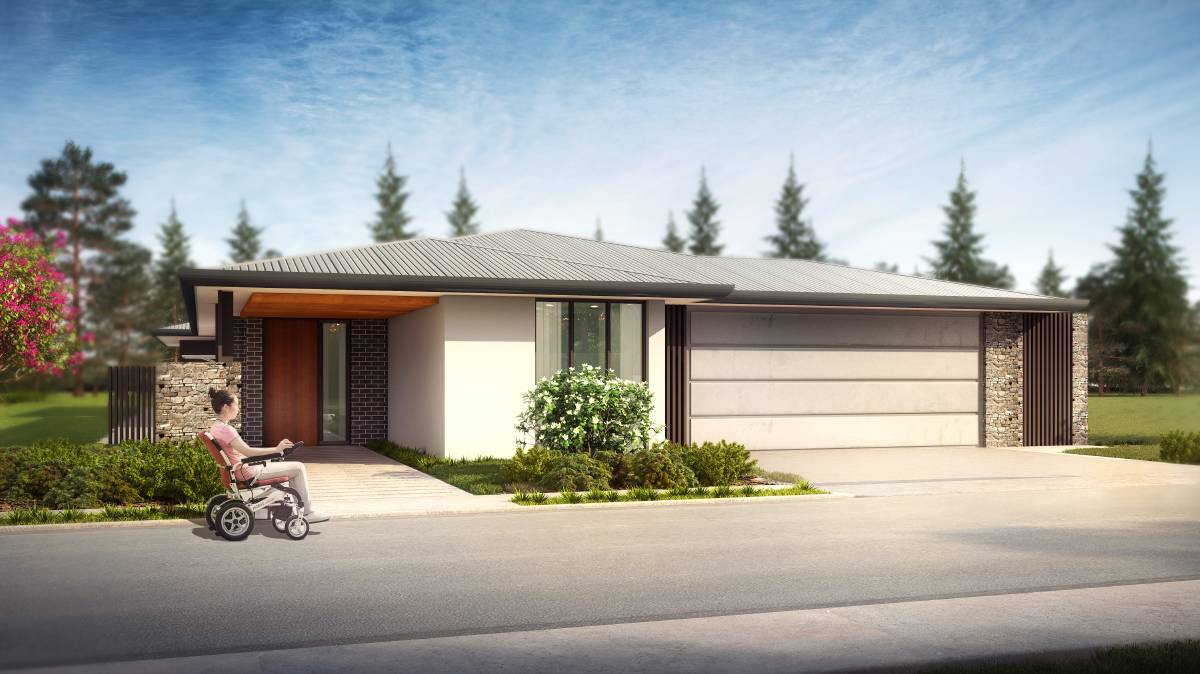
You’ve successfully navigated the acquisition process and your Specialist Disability Accommodation (SDA) property is now complete. This is a significant milestone, but it is not the end of the journey. In fact, it is the beginning of a new phase: the long-term management of your NDIS investment portfolio.
For the sophisticated investor, the focus now shifts from acquisition to optimisation. How do you maximise your returns, minimise your risks, and ensure the long-term success of your investment? This guide is designed for investors who are ready to move beyond the basics and adopt a strategic approach to managing their NDIS property portfolio.
We will provide you with the insights and strategies you need to navigate the complexities of the NDIS ecosystem, from enrolling your property with the NDIA to managing tenants and optimising your financial performance. This is the complete guide to becoming a successful long-term NDIS property investor, positioning you not just as a landlord, but as a strategic partner in the provision of high-quality disability housing.
The NDIS Enrolment Process: Getting Your Property Certified
Before your property can be officially recognised as an SDA dwelling and you can start receiving SDA payments, it must be enrolled with the National Disability Insurance Agency (NDIA). This is a critical step that involves a number of checks and balances to ensure that your property meets the required standards.
The Enrolment Process:
- As-Built Assessment: Once construction is complete, you will need to engage an accredited SDA assessor to conduct an “as-built” assessment of your property. The assessor will inspect the property to ensure that it has been built in accordance with the certified design and that it meets all the requirements of the SDA Design Standard.
- Certificate of SDA Category Compliance: If the property passes the as-built assessment, the assessor will issue a Certificate of SDA Category Compliance. This certificate confirms that the property meets the requirements for its designated design category (e.g., High Physical Support, Robust).
- Application for Enrolment: You or your SDA provider will then submit an application to the NDIA to enrol the dwelling. This application will include the Certificate of SDA Category Compliance and other required documentation.
- NDIA Approval: The NDIA will review the application and, if satisfied, will enrol the dwelling as an SDA property. Once enrolled, the property will be listed on the SDA Finder, a tool that helps participants find suitable vacancies.
It is important to note that this process can take some time, and it is essential to work with an experienced SDA provider who can guide you through the enrolment process and ensure that all the necessary documentation is in order.
Tenant Sourcing and Management: Ensuring Stable Occupancy
Your rental income is directly tied to the occupancy of your property, so finding and retaining eligible NDIS participants is crucial to the success of your investment. This is where your partnership with a reputable SDA provider becomes invaluable.
Best Practices for Tenant Sourcing:
- Proactive Marketing: Your SDA provider should have a proactive marketing strategy to attract potential tenants. This may include listing the property on the SDA Finder, advertising on other platforms, and building relationships with support coordinators and other NDIS stakeholders.
- Thorough Vetting: It is important to ensure that potential tenants are a good match for your property and for each other (in the case of shared accommodation). Your SDA provider should have a thorough vetting process that includes checking the participant’s NDIS plan to confirm their eligibility for SDA funding.
- Participant Choice and Control: The NDIS is founded on the principle of choice and control for participants. It is important to respect the participant’s right to choose where they live and who they live with. A good SDA provider will work with participants to ensure that the property meets their individual needs and preferences.
Strategies for Tenant Retention:
- High-Quality Property: A well-maintained, high-quality property is more likely to attract and retain long-term tenants. It is important to address any maintenance issues promptly and to ensure that the property remains a safe and comfortable place to live.
- Good Communication: Open and regular communication with your tenants (and their support network) is key to building a positive relationship. Your SDA provider should have a clear communication plan in place.
- Responsive Management: A responsive and proactive property manager can make a big difference to the tenant experience. Choose an SDA provider who is known for their excellent customer service.
By adopting a best-practice approach to tenant sourcing and management, you can increase your chances of securing long-term, stable occupancy and maximising your rental returns.
Financial Management and Tax Strategy: Maximising Your Net Return
Effective financial management is at the heart of a successful NDIS property investment. It is not just about the high gross yields; it is about maximising your net return after all costs and taxes have been taken into account.
Managing Your Cash Flow:
- Budget for All Costs: When calculating your expected returns, it is essential to budget for all associated costs, including:
- SDA provider management fees
- Council rates and water rates
- Insurance
- Repairs and maintenance
- Body corporate fees (if applicable)
- Factor in Vacancy: As our research has shown, vacancy is a real risk in the SDA market, particularly in oversupplied areas. It is prudent to factor in a vacancy provision when forecasting your cash flow.
Leveraging Tax Benefits:
There are a number of tax benefits available to NDIS property investors that can help to maximise your net return. These include:
- Depreciation: You can claim a tax deduction for the decline in value of the building and its fixtures and fittings over time. A quantity surveyor can prepare a tax depreciation schedule for you, which will set out the deductions you can claim each year.
- Negative Gearing: If your expenses (including interest on your loan) are greater than your rental income, you may be able to claim the loss as a tax deduction against your other income.
We strongly recommend that you seek advice from an accountant who specialises in property investment to ensure that you are taking full advantage of all the available tax benefits.
Ongoing Compliance and Maintenance: Protecting Your Investment
Once your property is tenanted, your responsibilities as a landlord do not end. You have an ongoing obligation to ensure that your property remains compliant with all NDIS regulations and is maintained to a high standard.
SDA Compliance:
- Annual Audits: Your property may be subject to annual audits to ensure that it continues to meet the requirements of the SDA Design Standard.
- NDIS Code of Conduct: As an SDA landlord, you are required to comply with the NDIS Code of Conduct, which sets out the standards of behaviour that are expected of all NDIS providers.
Property Maintenance:
- Regular Inspections: Your SDA provider should conduct regular inspections of the property to identify any maintenance issues.
- Prompt Repairs: It is important to address any maintenance issues promptly to ensure that the property remains a safe and comfortable place for your tenants to live.
- Long-Term Maintenance Plan: It is a good idea to have a long-term maintenance plan in place to budget for major repairs and replacements over time.
By taking a proactive approach to compliance and maintenance, you can protect your investment, ensure the safety and well-being of your tenants, and avoid any potential penalties for non-compliance.
Mitigating Key Risks: Navigating a Dynamic Market
While NDIS property investment offers the potential for strong returns, it is not without its risks. A prudent investor will understand these risks and have strategies in place to mitigate them.
Vacancy Risk: As highlighted by recent reports of empty SDA homes, vacancy is one of the biggest risks for NDIS property investors. The key to mitigating this risk is thorough due diligence and careful location selection. Avoid oversupplied areas and focus on locations with a proven and persistent demand for SDA housing.
Regulatory Risk: The NDIS is a relatively new scheme, and it is still evolving. There is always a risk that the government may make changes to the scheme that could impact your investment. To mitigate this risk, it is important to stay informed about any proposed changes and to work with an SDA provider who is actively engaged with the NDIA and other industry stakeholders.
Financing Risk: Lenders’ appetite for SDA can change, and it is important to have a good relationship with a specialist mortgage broker who can keep you informed of any changes in the lending landscape. It is also prudent to maintain a financial buffer to cover any unexpected costs or periods of vacancy.
Scaling Your Portfolio: Growing Your Asset Base
For many investors, the first NDIS property is just the beginning. Once you have successfully navigated the acquisition and management process, you may want to consider scaling your portfolio and acquiring additional properties.
When to Scale:
The decision to scale your portfolio will depend on your individual financial situation and investment goals. Some factors to consider include:
- Equity in Your First Property: As your first property grows in value, you may be able to use the equity to fund the purchase of your next property.
- Your Financial Capacity: Assess your borrowing capacity and your ability to service additional debt.
- Market Conditions: Keep a close eye on the market and look for opportunities to acquire properties in high-demand locations.
Strategies for Scaling:
- Diversification: Consider diversifying your portfolio by acquiring properties in different locations and with different design categories. This can help to spread your risk.
- Leverage Your Experience: Use the knowledge and experience you have gained from your first investment to make even more informed decisions on your subsequent purchases.
- Work with Your Team: Continue to work with your team of trusted advisors to help you identify and acquire new properties.
By taking a strategic and disciplined approach to scaling your portfolio, you can build a substantial asset base that delivers both strong financial returns and a lasting social impact.
Disclaimer: The information provided in this article is for general informational purposes only and does not constitute financial, legal, or tax advice. All investment decisions carry risk. Australia Capital Investment Group (ACIGP) recommends you seek independent professional advice tailored to your personal circumstances before making any investment decisions.