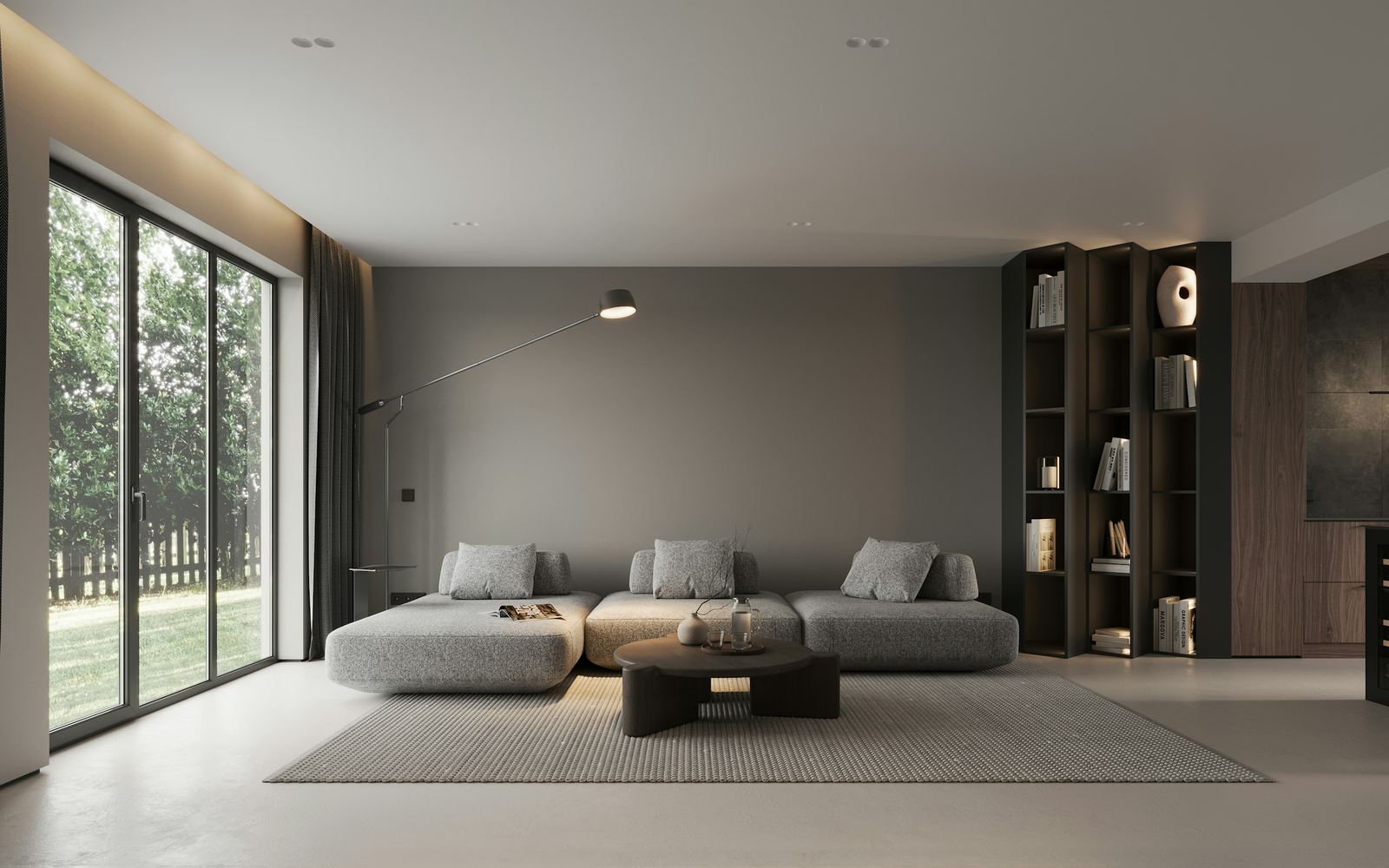
Co-Living Property Investment Australia
A co-living property is a purpose built, fully furnished home designed to be let by the room. Each tenant has a private locked bedroom and ensuite and shares the communal spaces. For an investor, that means more than one lease on a single title. Rent and occupancy are never certain, so look at price, indicative rent, finance and letting rules together before you decide.
What is a co-living property?
A co-living property is a purpose built, fully furnished home designed for 3 to 5 independent tenants. Each tenant has a private locked bedroom and ensuite, and the kitchen and other communal spaces are shared. The room by room set-up gives you a different rental structure from a single household lease.
Separate leases mean each room can provide an income stream. A vacant room still means lost rent, so allow for periods without a tenant and for your ownership costs. Several tenants with their own leases means more than one income stream on one title, but vacancy can still happen and rent is never certain.
Co-living and triple living are a lower barrier starting point than higher specification SDA homes. That is why they have become the more accessible way in for investors entering this market. Read how triple living differs, or see our page on NDIS and SDA properties.
Can you still build co-living properties in 2026?
Yes. Co-living, triple living and NDIS properties can still be built in 2026. If your question is whether it is too late to build, the answer is no. Build costs are higher, certification needs NDIS design and building surveying to align, and finance is harder but possible.
For a plain-English guide to how these products differ, read co-living and triple living explained.
What has changed for co-living investors?
Several things are different, and they affect timelines more than feasibility.
Build costs are higher.
That affects the entry price, not whether a project can proceed.
Certification takes coordination.
It needs NDIS design and building surveying to align, so choose a builder who manages that well.
Finance is harder, but possible.
Not many banks lend on NDIS dwellings, and lenders often value purpose built property differently to a standard home. That can limit how much you can borrow.
If the deposit is your main constraint, read about a lower-cost entry point. ACIGP works with specialist mortgage brokers, experienced SDA providers and qualified accountants. Our five-phase process shows how land, finance, build and tenants fit together.
How does co-living earn rent?
Co-living earns rent through separate room leases, so one property can have several income streams. Gross yield here means the indicative weekly rent times 52, divided by the price. It is before costs, so it is not a net return. For example, the co-living ready homes in Donnybrook are $756,000 each, with indicative rents of $690 and $1,000 a week and gross yields of 4.7% and 6.9%.
An indicative rent is an estimate, not a promise. A vacant room can reduce the rent you receive. Read more on how the yields compare.
What co-living ready homes are on sale?
Co-living ready homes are homes designed so they can be let room by room. On sale today are 2 homes in Donnybrook (Victoria) at $756,000 each. Their indicative rents are $690 and $1,000 a week (gross yields of 4.7% and 6.9%). Each is 4 bed, 3 bath, 2 car, with completion July 2026.
Check the listed completion date and the current status before relying on a listing. Availability changes quickly, and a home shown may already be under offer. See the homes currently on sale.
How do you assess a co-living location?
We look at four things: schools, amenities that already exist or are underway, access to employment, and growth corridors. Growth alone is not enough. It is the combination that makes a site work.
Rules for letting a home by the room depend on the state and the building. Check what applies to a specific property with a licensed adviser and the relevant state regulator before you buy.
Frequently asked questions
What is the difference between co-living and triple living?
Co-living homes have private locked bedrooms with ensuites, shared communal spaces and a room by room letting model. Triple living is a separate product with its own page, and each has its own layout and letting model.
Is a co-living home the same as a rooming house?
Not necessarily, and the rules depend on the state and the building. Check the specific property with a licensed adviser and the relevant state regulator before you buy.
How is the yield on a co-living home worked out?
Multiply the indicative weekly rent by 52 and divide by the price. The result is a gross yield before costs, so it does not show your net return.
Is a co-living home harder to finance than a standard house?
It can be. Lenders often value purpose built property differently to a standard home, which can limit borrowing. Finance is harder than it was, but possible, and a specialist mortgage broker can help.
What does a free Returns Assessment cover?
It walks you through the numbers on a real property, the holding costs, the financing path and the structure that fits your position. Answer a few quick questions and our specialists will map the yield you could target.
This is general information only and not financial, tax or legal advice.
Rooming house homes available now.
See all 91 homes
Book your free Returns Assessment.
Tell us your budget and the strategy you are curious about. We will come back with the numbers for homes that fit.