SDA Property: NDIS Investment Properties in Australia
An SDA property is a purpose built home for an Australian with disability, owned as an investment. SDA stands for Specialist Disability Accommodation. This page is for people who want to buy an SDA home as an investment, not people looking to rent a home. Income depends on the NDIA (the National Disability Insurance Agency) enrolling the home and an eligible participant living in it; the provider must be registered through the NDIS Quality and Safeguards Commission.
What is SDA property investment?
Investing in Specialist Disability Accommodation means owning a purpose built home for Australians with disability. SDA payments are funded through the NDIS for an eligible participant who lives in the home, plus the participant's reasonable rent contribution. You own the home. A registered SDA provider looks after the tenancy and the NDIS side. Tenant placement is the last phase of our process, so the home is ready to earn when it is handed over. That makes enrolment and the provider arrangement central to your income planning, so ask about both early and get them in writing.
How does an SDA home earn income?
An SDA home earns income through NDIS payments and a participant rent contribution. Both depend on the home being enrolled and lived in by an eligible participant who has SDA funding in their plan. Until both conditions are met, SDA income does not begin.
SDA income is paid through the National Disability Insurance Scheme. Participants often settle long term in a custom built home, which reduces turnover. That is how the model is built, not a promise about any individual property. We show gross yields for homes we list, and you can read how the yields compare.
What does an SDA investor have to put in?
You need capital and finance suited to a purpose built home. For a house and dwelling package at around $750,000, an investor typically needs at least $200,000 and closer to $250,000 to be comfortable.
Finance is the harder part. Not many banks lend on NDIS dwellings. Lenders often value purpose built property differently to a standard home, which can limit borrowing. We work with specialist mortgage brokers who understand this side of the market. The gap between valuation and price has to be covered by you.
Which SDA design categories does ACIGP focus on?
We focus on the highest-demand categories, to support tenant stability. The category shapes the home's features, its materials and the compliance work in the build.
- High Physical Support: homes with high-level structural provisions for ceiling hoists, assistive technology and clear accessibility pathways.
- Robust homes: properties built with resilient materials to protect the participant and the investment.
Our guide explains how the SDA design categories differ.
How do you buy SDA property through an SMSF or a trust?
Settle the ownership structure before you commit to a property, not after. We also support purchases through family trusts and unit trusts, and we work with finance and lending partners to match the structure to your position.
If you are considering an SMSF, note that the Treasury Laws Amendment (Tax Reform No. 1) Act 2026 includes a Schedule headed "Limited recourse borrowing arrangements". It amends the Superannuation Industry (Supervision) Act 1993. Check the detail with a licensed adviser before you plan an SMSF purchase.
Sources: https://www.legislation.gov.au/C2026A00049/asmade/text and https://www.ato.gov.au/individuals-and-families/investments-and-assets/residential-rental-properties
What is the ACIGP approach to NDIS property?
ACIGP works with specialist mortgage brokers, experienced SDA providers and qualified accountants. Our five-phase process covers strategy and yield assessment, land sourcing and feasibility, specialised finance, custom build and compliance management, and tenant placement and handover.
We connect you with registered SDA providers for tenant placement. ACIGP is not itself an SDA provider or a property manager. Australia Capital Investment Group was founded in 2012, and 451 properties have been sold, with 81 being built and 28 about to start. We also work on co-living and triple living homes. Co-living, triple living and NDIS properties can still be built in 2026. Build costs are higher, and certification needs NDIS design and building surveying to align. Finance is harder, but possible. If your question is whether it is too late to build, the answer is no.
No NDIS or SDA home is listed for sale at the moment. You can see the homes currently on sale, which are other new builds, and availability changes quickly.
What happens in a free Returns Assessment?
A Returns Assessment walks you through the numbers on a real property, the holding costs, the financing path and the structure that fits your position. Answer a few quick questions and our specialists will map the yield you could target. The assessment is a way to test the assumptions behind a property's indicative rent and costs, so you decide with real numbers rather than a general yield range. Book your free Returns Assessment.
Frequently asked questions
Is SDA property a good investment?
It depends on your capital, your finance and the property's enrolment and tenancy. Income depends on the NDIA (the National Disability Insurance Agency) enrolling the home and an eligible participant living in it; the provider must be registered through the NDIS Quality and Safeguards Commission. Vacancy is a real risk with any property.
Are NDIS homes for sale through ACIGP right now?
No. No NDIS or SDA home is listed for sale on our Available Properties page at the moment. A free Returns Assessment is the way to talk through NDIS and SDA opportunities.
How much deposit do I need for an SDA property?
For a house and dwelling package at around $750,000, an investor typically needs at least $200,000 and closer to $250,000 to be comfortable. Your lender's valuation affects how much you can borrow.
Who places the tenants in an SDA home?
Tenants are NDIS participants with SDA funding in their plan, placed through registered SDA providers. A registered SDA provider manages the tenancy and the NDIS side. We connect you with them.
What are the main risks of SDA property investment?
The main risks are vacancy, limited lending options and a valuation that restricts borrowing. SDA income also depends on enrolment and an eligible participant living in the home. Read the investor FAQs for more.
This is general information only and not financial, tax or legal advice.
NDIS and SDA homes available now.
See all 91 homes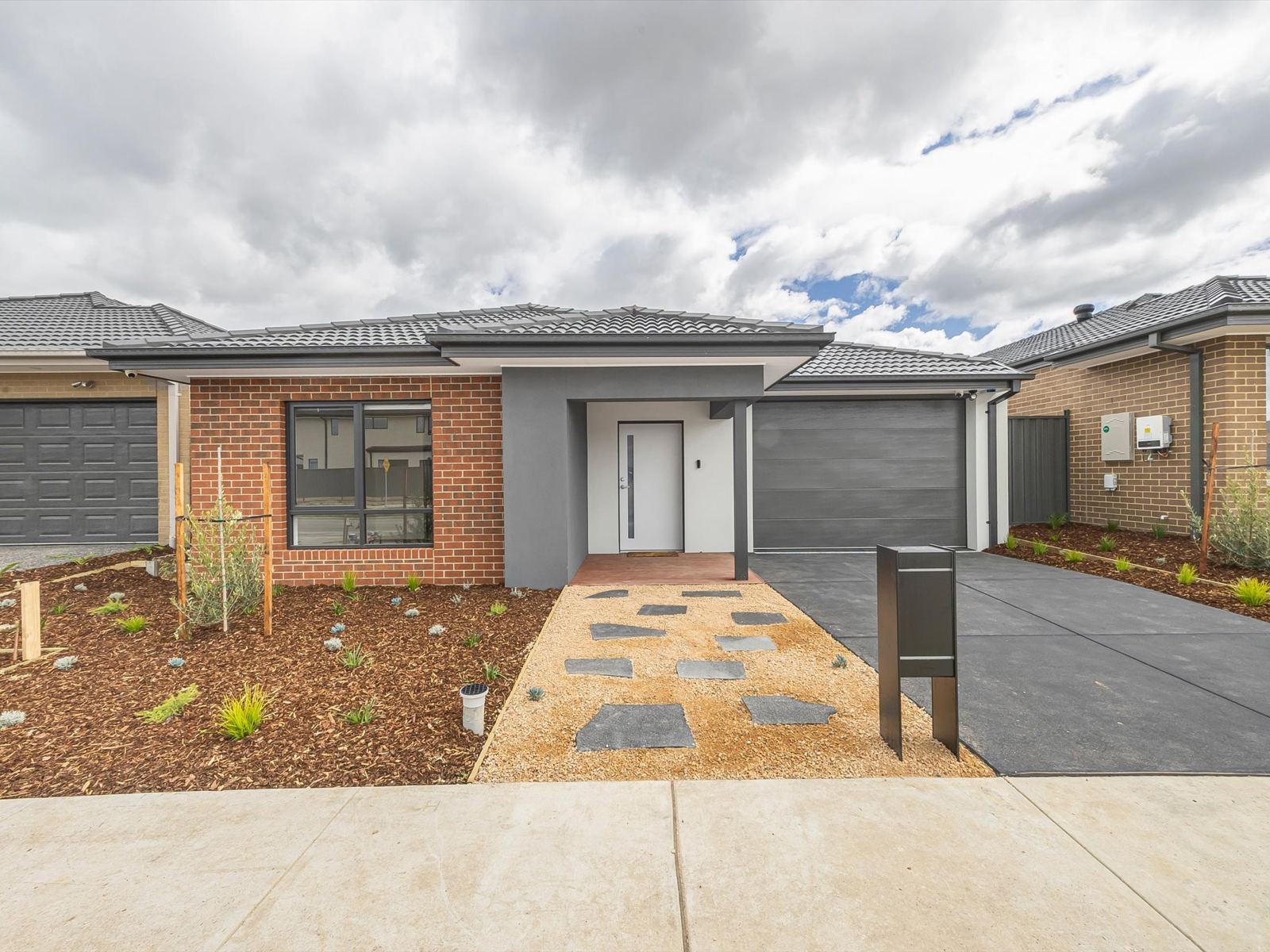
Clyde North, VIC 3978
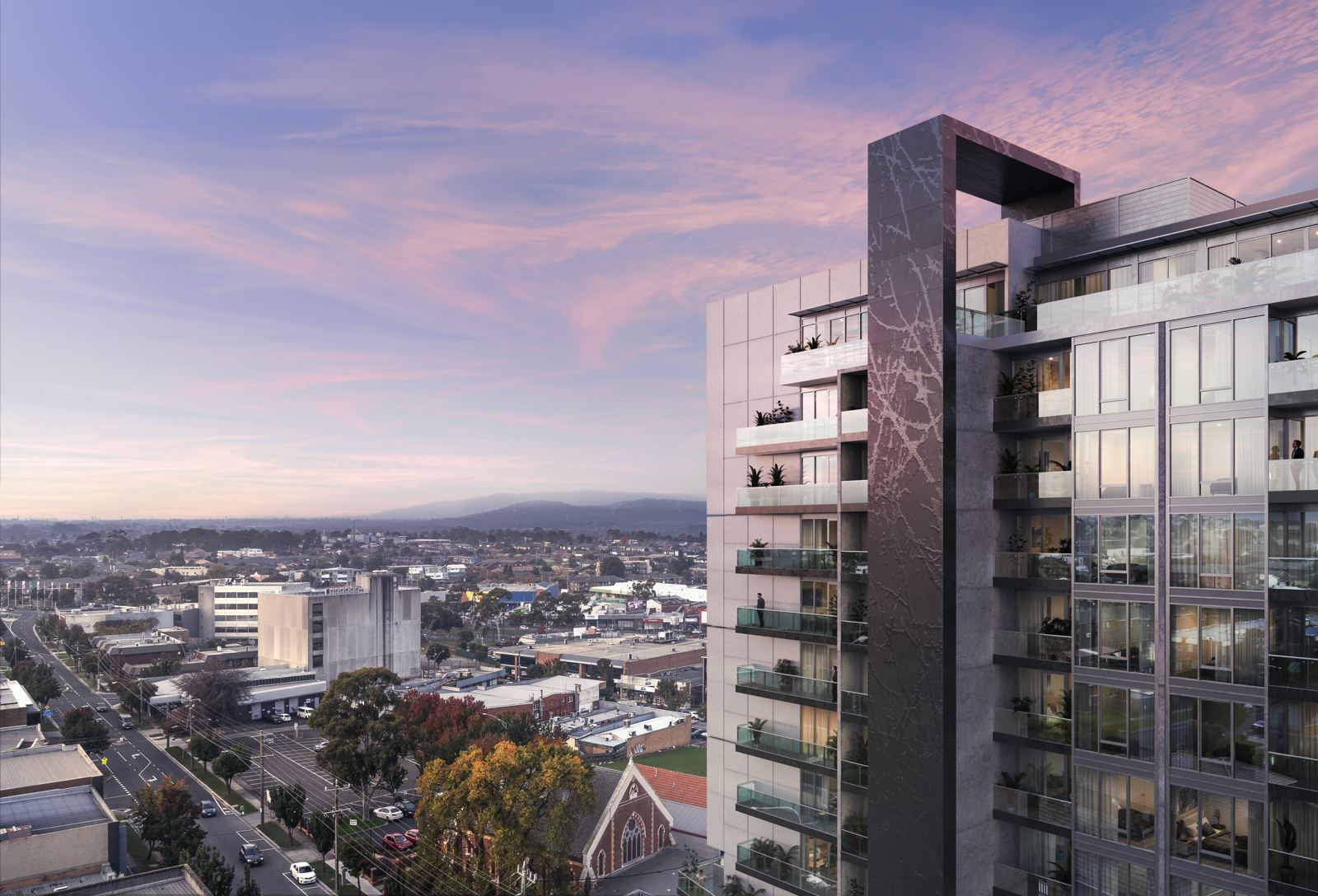
Dandenong, VIC 3175
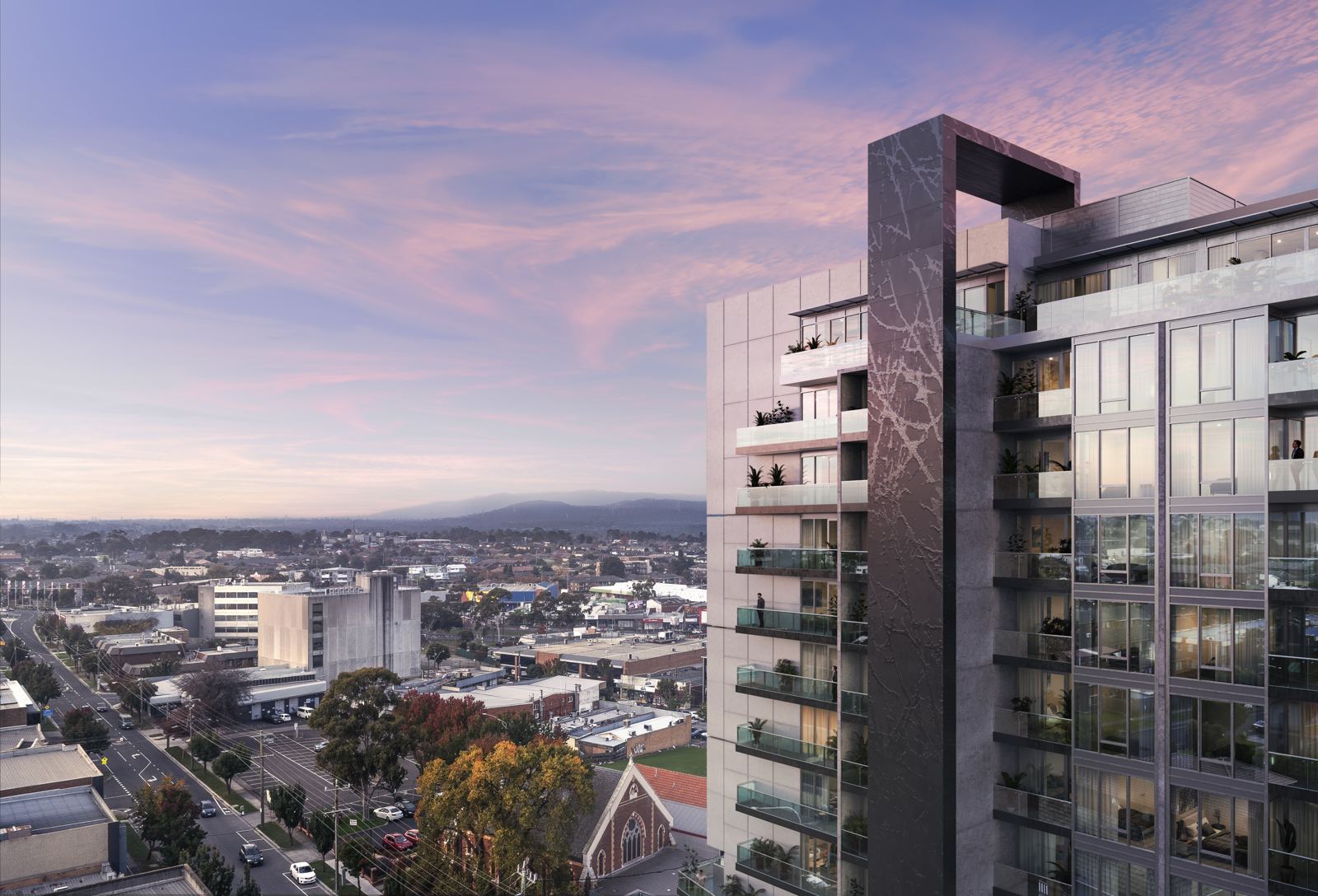
Dandenong, VIC 3175
Book your free Returns Assessment.
Tell us your budget and the strategy you are curious about. We will come back with the numbers for homes that fit.