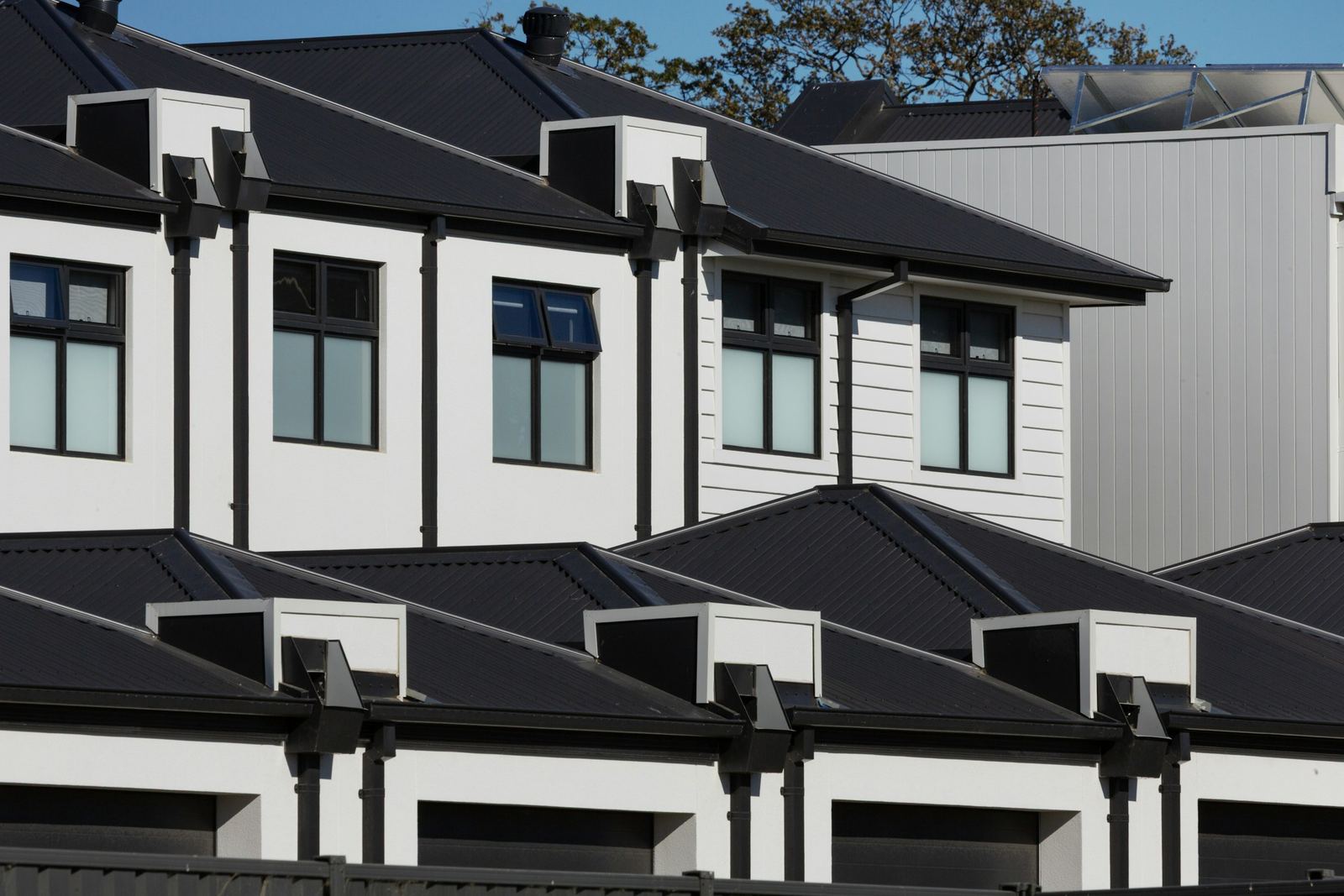
A dual key investment property is a home on a single title, built as two self contained living areas. Each area has its own entry, so you can let each one to a different tenant. This guide explains how the income works, what ACIGP's current homes cost, and what to check before you commit.
Read the numbers as indicative. Rents can change, a home can sit empty, and nobody can promise a return.
What is a dual key investment property?
A dual key home is a single home on a single title with two self contained living areas. ACIGP describes its dual key homes as "Two self contained dwellings on one title, so one purchase produces two rents."
Each living area works as a home in its own right. It has its own entry and the facilities for everyday living. That separation lets each side suit a separate tenant or household.
You still own a single property. You buy it once, finance it once and hold a single title. The income comes from letting both sides.
That is the appeal for an investor who wants more income than a standard house gives. It is also why the detail matters. A clever layout only pays if tenants want to live there and the numbers hold up against the price.
Self contained is something you inspect, not just read in a listing. Check how each tenant enters. Check where the shared boundary sits, and how noise and outdoor areas are handled.
How does a dual key home earn two rents?
The answer is simple: a single purchase, a single title and a pair of tenancies. The detail is in how each side is let and managed.
A dual key home earns its income by letting each living area under its own tenancy. The rents from both sides add up to the property's combined rental income.
If one side is empty, the other rent can continue. That softens the effect of a single vacancy. It also means you have a pair of tenancies to fill, and a pair of chances for a gap.
Rents are estimates until a tenant signs an agreement. Rental laws, including the rental properties minimum standards, apply to a home that is rented out. Allow for the work of managing separate tenants, such as applications, repairs and tenancy records. A property manager, or ACIGP's tenant placement phase, can take some of that work off your plate.
Is a dual key home different from dual occupancy or a granny flat?
Yes. The terms describe different arrangements, and the name in a sales listing does not settle the planning position.
Dual occupancy means two homes on a block of land. A dual key home is a single home built with two self contained living areas under a single title. These are plain-language meanings, not planning terms.
Victoria does define a small second dwelling. It is a building, or part of a building, with a total floor area not exceeding 80 square metres, on the same lot as an existing dwelling. It must be used as a self-contained residence with a kitchen sink, food preparation facilities, a bath or shower, a toilet and a wash basin.
A permit cannot create a separate lot for land containing a small second dwelling. The Victorian Government says to contact the local council to confirm the planning requirements that apply to a specific proposal. Planning rules differ by site, and ACIGP's team and the council confirm them.
ACIGP's range also includes triple living homes. These are "Three fully independent units on one block under one title." A third unit adds another rent. It also adds more tenants to find and more management to plan for. Compare how each space is accessed and the rental demand before you weigh either layout.
What do ACIGP's dual key homes cost and rent for today?
ACIGP lists 5 dual key homes, from $761,000 to $816,000, in Warragul, Drouin and Moe, Victoria. Each is a 4 bedroom, 2 bathroom, 2 car home of 181 m2, with completion in March 2027.
Their indicative rent is $800 to $960 per week. Rents are indicative and may vary.
ACIGP works the gross yield as indicative weekly rent x 52 divided by price. That gives 5.3% to 6.6% across these five homes.
Gross yield is before costs. It leaves out rates, insurance, management, repairs and finance costs. It is not the same as the income you keep.
You can check any figure the same way. Work out indicative weekly rent x 52 divided by price, then turn the result into a percentage. Use the same method on every home you compare, so the numbers line up.
Every listing is a new build and shows an indicative rent. Completion is in March 2027, so rent does not start at purchase. Plan your holding costs and your finance for that wait, and for the time it takes to place a tenant.
ACIGP's Available Properties page says: "Availability changes quickly. A home shown here may already be under offer." See the homes available to buy for the current list.
What are the risks of a dual key investment?
The main risks are vacancy, timing, finance and the tax position. Any of them can change what you earn.
- Vacancy: Both sides can be empty at the same time. Rents are indicative until a tenant signs.
- Timing: Completion is in March 2027, so there is a wait before rent starts.
- Finance and valuation: These depend on the lender. A lender may treat a dual key layout differently from a standard home.
- Planning: Rules differ by site. Ask the council about the specific property.
Vacancy deserves a plain word. A pair of tenancies spreads the risk, because rent from the occupied side can continue. But it does not remove the risk, and it adds a second set of tenant checks, repairs and records to manage.
Finance deserves another. Lenders look at layout, valuation and rent differently, so the same home can be assessed differently by two lenders. Speak to a specialist mortgage broker early, before you fall in love with a floor plan.
Timing matters too. A home that completes in March 2027 is a wait, and your holding costs run through it. Build that wait into your plan rather than treating it as a surprise.
None of this is a reason to walk away. It is a reason to test the figures with your lender, your accountant and a Returns Assessment before you decide.
How does the 2026 tax reform affect a new dual key home?
The 2026 tax reform limits negative gearing to new builds and government housing priorities. All of ACIGP's listed homes are new builds, so the reform is worth understanding before you buy.
For established residential property bought after 7:30pm AEST on 12 May 2026, losses can be deducted only against other residential property income, from 2027-28.
From 1 July 2027 the 50% CGT discount is replaced with cost base indexation plus a 30% minimum rate for individuals, trusts and partnerships. This applies to all property, so it does not separate new builds from established homes.
Compare a new build or established home before you decide. Our note on how the new rules treat new builds gives more context. The ATO publishes guidance for owners of residential rental properties. A qualified accountant can apply the rules to your situation, including how the rules treat a property you already hold.
How do you decide whether a dual key home suits you?
Start with the numbers, then the layout, then your own position. Work through them in that order, and keep a note of what you still need to confirm. Ask whether the rent per side is realistic, and whether the finance works at the listed price.
Here are the questions worth putting to the right person before you commit:
- Your lender: How will you assess the home, its valuation and the proposed rent? Finance terms depend on the lender, so confirm the borrowing conditions before you rely on a projected yield.
- The local council: What are the planning requirements for this site and this design? Planning rules differ by site.
- Your accountant: How do the tax rules apply to your ownership structure and your circumstances?
- ACIGP: Is the home still available, and what is the basis for the indicative rent? A Returns Assessment walks you through both.
ACIGP works with specialist mortgage brokers, experienced SDA providers and qualified accountants. Its end to end process has five phases: Strategy & Yield Assessment; Land Sourcing & Feasibility; Specialised Finance; Custom Build & Compliance Management; and Specialised Tenant Placement & Handover.
ACIGP, Australia Capital Investment Group, was founded in 2012 by three partners from real estate, finance and accounting. ACIGP shares general property information. It is not a financial adviser, a tax adviser or a property manager in its own right.
Frequently asked questions
What does "dual key" mean?
A dual key home is a single home on a single title, built as two self contained living areas. Each area has its own entry. You can let the areas to separate tenants.
How does a dual key home work?
Each self contained living area can be leased to its own tenant. The rents from both sides make up the property's rental income. If one side is empty, the other rent can continue.
Can you have two houses on one title?
A pair of dwellings can sit on a single title, subject to the design and planning rules for the site. Dual occupancy means two homes on a block of land. A dual key home is a single home with two living areas.
Are dual key homes a good investment?
They can suit an investor who wants a pair of rents from a single purchase. The listed price and indicative rent give you a starting point. Vacancy, costs, finance and tax all affect the result, and no return can be promised.
Are there dual key homes for sale in Victoria?
ACIGP lists 5 dual key homes in Warragul, Drouin and Moe, from $761,000 to $816,000, with completion in March 2027. Their indicative rent is $800 to $960 per week. Availability changes quickly.
Do you need a planning permit for a dual key home?
It depends on the site and the design, so the local council should confirm the planning position. The Victorian Government says to contact the local council to confirm the planning requirements for a specific proposal.
Ready to see the numbers on a dual key home?
Get your free Returns Assessment. ACIGP will confirm which homes are available and walk you through the figures. Start on the contact page, or call +61 03 9190 8900.
This is general information only and not financial, tax or legal advice. General information cannot replace checking your own situation with a licensed professional.
Sources: https://www.legislation.gov.au/C2026A00049/asmade/text and https://www.ato.gov.au/individuals-and-families/investments-and-assets/residential-rental-properties