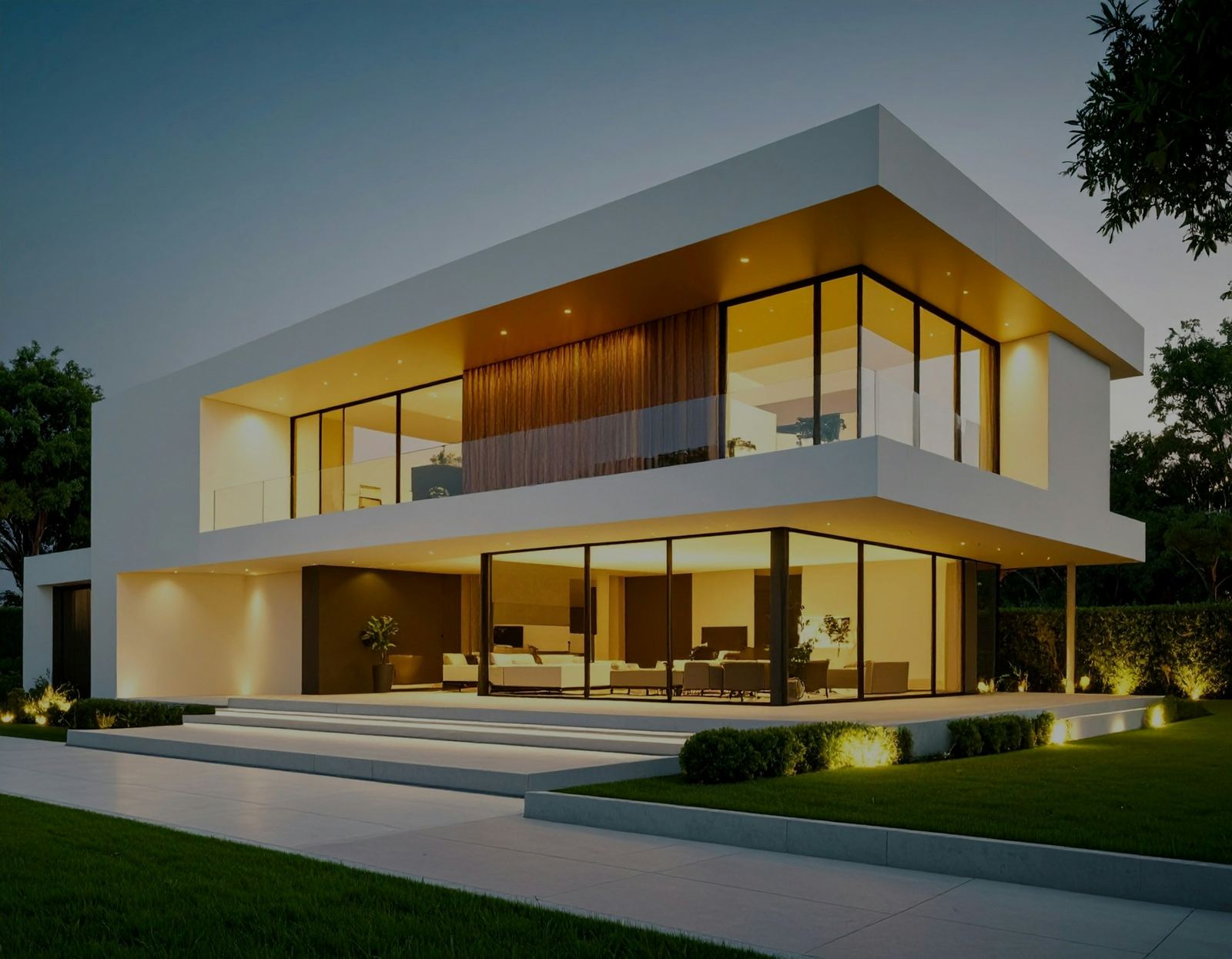
SDA stands for Specialist Disability Accommodation. The NDIS describes it as housing for people with extreme functional impairment or very high support needs. If you are an investor, the key point is that the funding follows the participant, not the building.
This guide explains what SDA is, who it is for, what it pays for and what the NDIA itself says investors should weigh. It uses the NDIS's own pages throughout, so you can check each point at the source.
What is SDA housing?
SDA is housing with features that meet a person's disability support needs. In the NDIS's own words, "Specialist disability accommodation (SDA) is a range of housing to support people with: extreme functional impairment, very high support needs."
Typical features include wide doorways, wheelchair-accessible kitchen sinks, ceiling hoists or button-operated doors. SDA may be suitable when other home and living supports don't meet a person's disability needs. Read more on what the NDIS says SDA is.
Who is SDA housing for?
SDA is for participants with extreme functional impairment or very high support needs. They must also meet the SDA needs requirement and the NDIS funding criteria.
Whether a participant's plan includes SDA, and how much, depends on their individual circumstances and disability support needs. Investors do not make that decision. It is made for each participant, and it is why a building alone cannot promise income.
What does SDA pay for, and what does it not?
SDA pays for the housing. It doesn't include NDIS supports or other services in the home.
SDA does not include personal care, supported independent living (SIL), individualised living options or assistive technology. SDA funding pays the SDA provider, SIL funding pays for carers, and the participant pays the rent and bills.
"Other than SDA, we don't fund housing." Participants pay a reasonable rent contribution and other day-to-day living costs, such as electricity bills. A provider cannot charge more than the maximum reasonable rent contribution set out in the SDA pricing arrangements.
What are the four SDA design categories?
The SDA design standard has four design categories: improved liveability, robust, fully accessible and high physical support.
- Improved liveability: Housing with better physical access and more features for people with sensory, intellectual or cognitive impairments.
- Fully accessible: Housing with a high level of physical access features for people who have lots of physical challenges, for example a person who uses a wheelchair at home.
- Robust: Housing built to be safe for the resident and others. It is very strong and durable, which reduces the need for repairs and maintenance.
- High physical support: Housing with a high level of physical access for people who need very high levels of support. It may have ceiling hoists, a backup power supply or home automation.
For a closer look, read about high physical support and improved liveability.
What building types can SDA be?
An SDA home can be one of four building types. These are an apartment; a villa, duplex or townhouse; a house with up to 3 people; or a group home with 4 or 5 people.
These building types describe the home itself, not the support inside it. Providers must be registered with the NDIS Quality and Safeguards Commission to offer SDA. They must also apply to the NDIA to enrol each home. The NDIA decides whether to enrol a home after it is built.
Design certification is signed by an SDA assessor and has two stages. These are at the design stage before construction starts, and at the final as-built stage. Certification does not mean the home will be enrolled as SDA.
What does SDA mean for a property investor?
For an investor, SDA means you own the building, and a registered provider runs it. The NDIA says investors "enter an arrangement with an SDA provider to find occupants and manage operations."
"As an SDA investor, you must either be an SDA registered provider or enter into an agreement with an SDA registered provider." The NDIA advises seeking independent legal and financial advice before entering a commercial contract.
The plain version is this. SDA income depends on the NDIA (the National Disability Insurance Agency) enrolling the dwelling and an eligible participant living in it. The provider must be registered through the NDIS Quality and Safeguards Commission. Our guide to NDIS property investment covers the wider picture. The page on what fully occupied means explains a term you will meet.
What do the NDIA's investor warnings say?
The NDIA lists claims that it sees as problematic advertising in the SDA market. They include a promised return or profitability, promised occupancy, and claims that SDA properties are more secure than other investments. They also include claims of secure government funding. "These types of claims may be false or misleading."
The NDIA also says: "Income from an SDA dwelling is not guaranteed as the property may be unoccupied or partially occupied for periods of time. Funding for SDA applies to the participant(s) NDIS Plan and not the dwelling and as such cannot be guaranteed."
A dwelling is not an "enrolled SDA dwelling" until it is fully built and complete and the NDIA approves the application to enrol it. A dwelling with multiple rooms may not attract multiple NDIS participants to reach full occupancy. Demand varies in different geographic locations.
Read the NDIA's full page on SDA investment before you commit.
Where does ACIGP fit?
ACIGP is not an SDA provider. It works with experienced SDA providers, and it builds and sources purpose built property. Our NDIS and SDA properties page covers the strategy and building on request.
No NDIS or SDA home is listed for sale on ACIGP's Available Properties page today. This article is about understanding SDA, not a listing of homes to buy.
Frequently asked questions
What does SDA stand for in the NDIS?
SDA stands for Specialist Disability Accommodation. It is housing for people with extreme functional impairment or very high support needs.
What is SDA funding?
SDA funding pays the SDA provider for the housing. It doesn't cover personal care, SIL, individualised living options or assistive technology. The participant pays a reasonable rent contribution and day-to-day living costs.
What is the difference between SIL and SDA?
SDA is the housing. SIL, or supported independent living, is the support in the home. SDA funding pays the SDA provider, and SIL funding pays for carers.
Does the NDIS pay for every participant's housing?
No. "Other than SDA, we don't fund housing." Most participants have a home by owning or renting it, or through social housing.
Can an investor be paid SDA funding directly?
An investor must either be an SDA registered provider or enter into an agreement with an SDA registered provider. The investor and provider arrange the terms between them. The NDIA advises independent legal and financial advice first.
Is SDA income guaranteed?
No. The NDIA says income from an SDA dwelling is not guaranteed, because the property may be unoccupied or partially occupied for periods of time. Funding applies to the participant's plan, not the dwelling.
Want to talk about an SDA project?
Get your free Returns Assessment. ACIGP will talk you through the strategy and what building an SDA project involves. Start on the contact page, or call +61 03 9190 8900.
This is general information only and not financial, tax or legal advice. General information cannot replace checking your own situation with a licensed professional.